OOO
t

25/01/2011


my photo

HAZEL CATKINS

Long male Hazel Catkins (also known as Lamb's Tails) as seen on a walk through Clapham Wood in January.


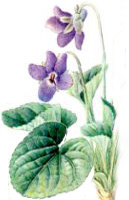
ooooooooooooooCicely Mary Barker

Click here for more photos from a walk in the woods.

O

22/01/2011


my photos

LOOKING IN FROM THE OUTSIDE

I'd rather be out than in.

Being outside is where my heart and soul really belong.

Guessing my love of the outdoors stems from my childhood, and from my Dad who chose an outdoor occupation, as a farmer.

My Dad liked to work alone, just as I like to be alone in my garden.

This is a place where I feel calm and relaxed. To just be me. A place where I can fully escape from the mundane in life. A place I love to be.

Even a heart-shape has formed all by itself in the shrubbery, to remind me of this.


I have missed being outside.

It's not like me to be absent from the garden, or my blog for so long.

Truth is, over the past seven weeks I've been fighting a bout of Laryngitis, and all the symptoms that go with it, and what with everyday life getting in the way too, there'd be zero energy left for the garden, or this blog.

I've felt happy to be back in the garden this past week.

The winter bees are back out too, happy to be buzzing around scented winter clematis.


Bronze carex
o
A garden at this time of year, brings with it hope.
o
With the prospect of warmth, bulbs will burst into growth, plants will flower, and birds will nest.
o
Spring brings with it, new beginnings.

o

01/01/2011

26/09/2010


Click on link above for more Today's Flowers.


my photos

BLUE SALVIA

I like the garden at this time of year.

It comes alive again, replenished by increased rainfall.

The dry months of Summer do it no favours.

Blue Salvia.

I need no convincing.

This plant I really, and I mean really, love.


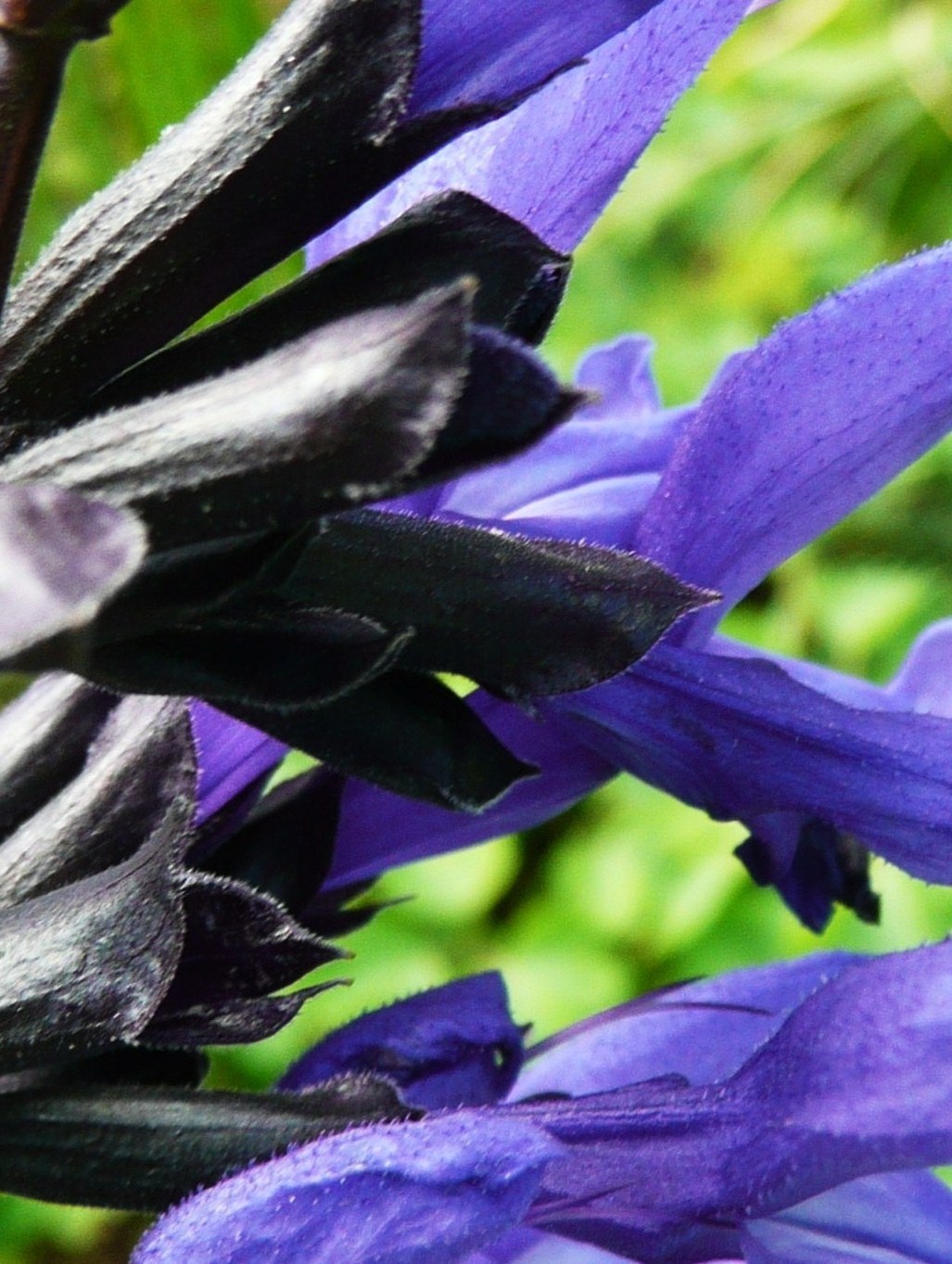
Salvia 'Black and Blue'.


Salvia 'Mystic Spires'.

o

19/09/2010


my photos

URBAN FOXES

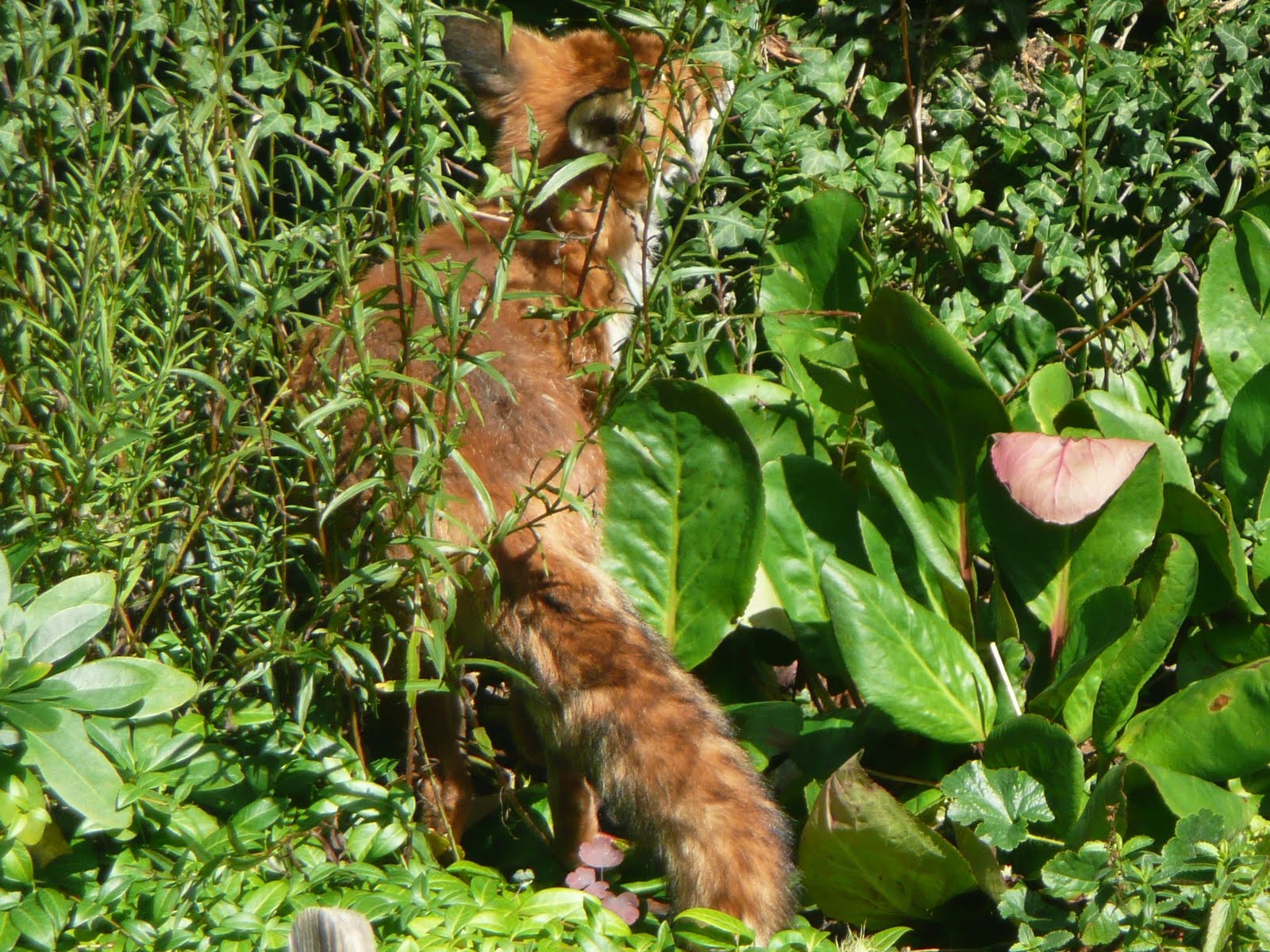
Over the last month or so, I have seen what appears to be a young fox on a number of occasions just chilling in our garden border, lapping up late afternoon sunshine.

I do know that foxes have used our garden in the past. Evidence of tunnelling on the banks, holes dug in the soil, and calling cards left.

I once found a buried parsnip!

This fox looks a little undernourished, but it must have a food source close by.

Chickens!


Inbetween scavaging, this fox enjoys Basking.


Scratching!


Preening!


Sniffing!


Then sensing me from behind the curtains. It scats!


Now this is another fox, which appears older. Possibly a parent of the above?

The other evening we caught it peering in from outside the front door - the next day I disturbed it lying in a flower border close to the property, and today I opened up the back door and it was looking over from the garden bench.

The audacity!

This one doesn't seem nervous at all. For a wild animal it seems very tame, and casually trots away up the steps to the top of the garden. Where the grass snake lives!

What is your view on urban foxes?

I would not leave food for them, or water, but to be honest I can tolerate them around our garden, for now anyway.

Foxes belong in the countryside, but it looks like they are in and around our living space to stay.

Once I get a whiff of any major damage around the place, Ill turf the Renardine out the shed.

So any urban foxes who happen to be out there.

Beware!

o

16/09/2010


my photos

COMMON BLUE BUTTERFLY

The female of the species, is much browner than the male.


These Common Blue butterflies have been enjoying a small space in my garden.

I'm glad I managed these photos. They sure were 'flitty'.

o

02/09/2010


my photos

GREENBOTTLE

They may not have a lot going for them, but a Greenbottle's metallic suit of many colours is nothing short of spectacular ...


and they appear to be good swimmers too.

o

24/08/2010


my photo

HOLLY BLUE BUTTERFLY

My garden has a good population of Holly Blue butterflies.

Fact is, this species will feed on holly and ivy, and on plants such as euonymus, snowberry and bramble, of which I have a plentiful supply of.

These asters will quite happily set seed around the garden too.

A good food source for bees.

o

04/08/2010


photo from the BBC Wildlife Finder website

LIFTING THE LID

... on a Grass Snake.

There's one in my compost bin!

On our first meeting, the shock of seeing it curled up there, basking on the top made me jump out of my skin, but ...

I am glad it's there, and for choosing our garden as its perfect habitat.

At this time of year a female will lay eggs in this warm and protected environment, and those eggs will incubate and hatch in September/October.

A Grass Snakes staple food is frogs. Guess that's maybe why I haven't seen many this year!

Grass Snakes are a protected species, so the compost will have to be left well alone

... for a while at least.

Easy identification - a Grass Snake and Smooth Snake (non-venomous) has round eyes, an Adder (venomous) has slit ones.

o

25/07/2010


my photos

THE YALDING GARDENS

Set in five acres of land in Kent, the Yalding Gardens is an inspirational garden for creative gardeners.


A dilapidated shed.


Rustic looking compost bins.


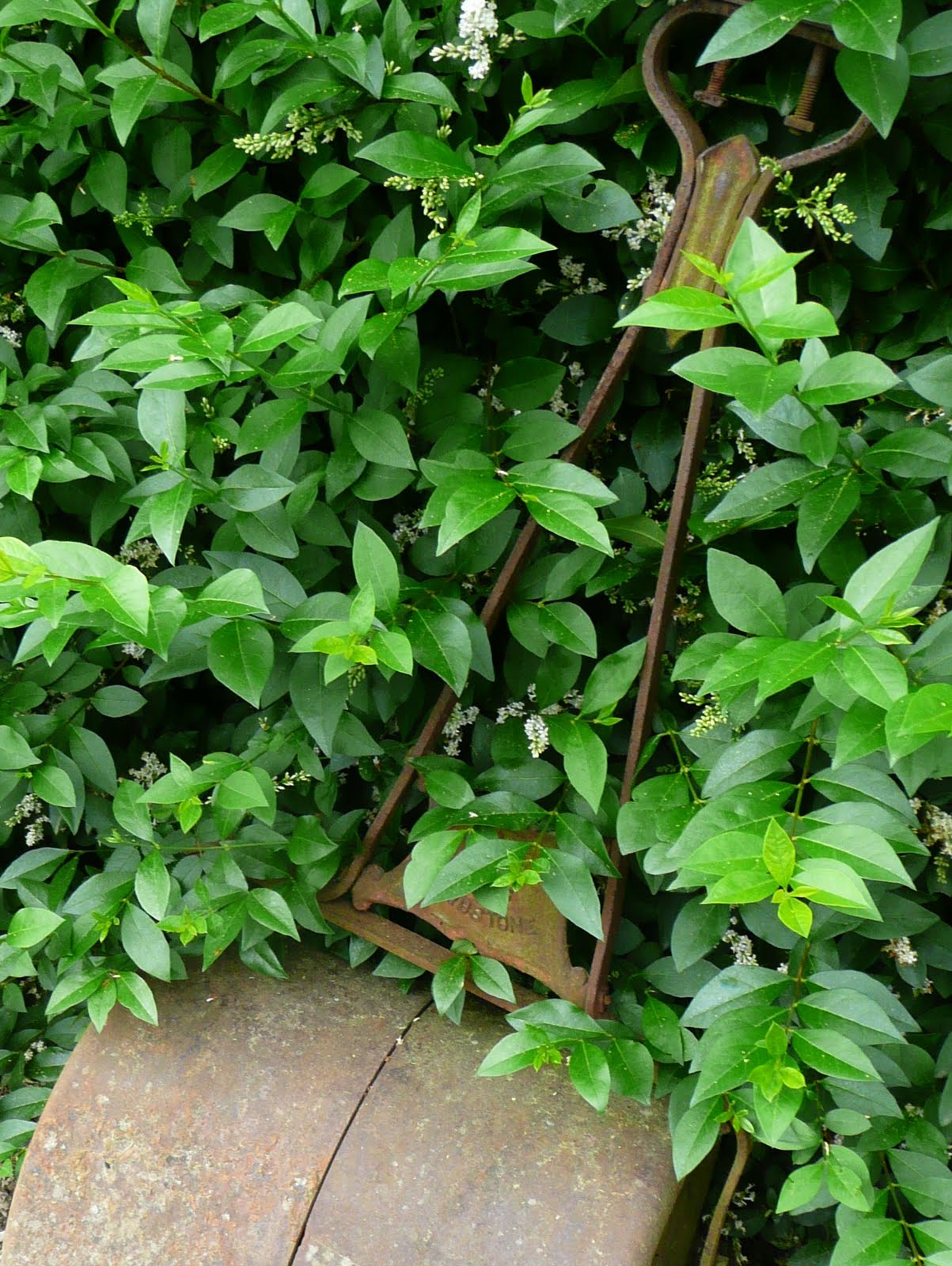
A garden roller.


A large clump of Rhubarb and terracotta forcer.


Willow poles covered with Runner Beans.


A raised bed full of Courgette plants.


An old wooden butt.


o
Borders full of colour.

o

11/07/2010


my photos

HAMPTON COURT FLOWER SHOW 2010

Some photos from the day.


O